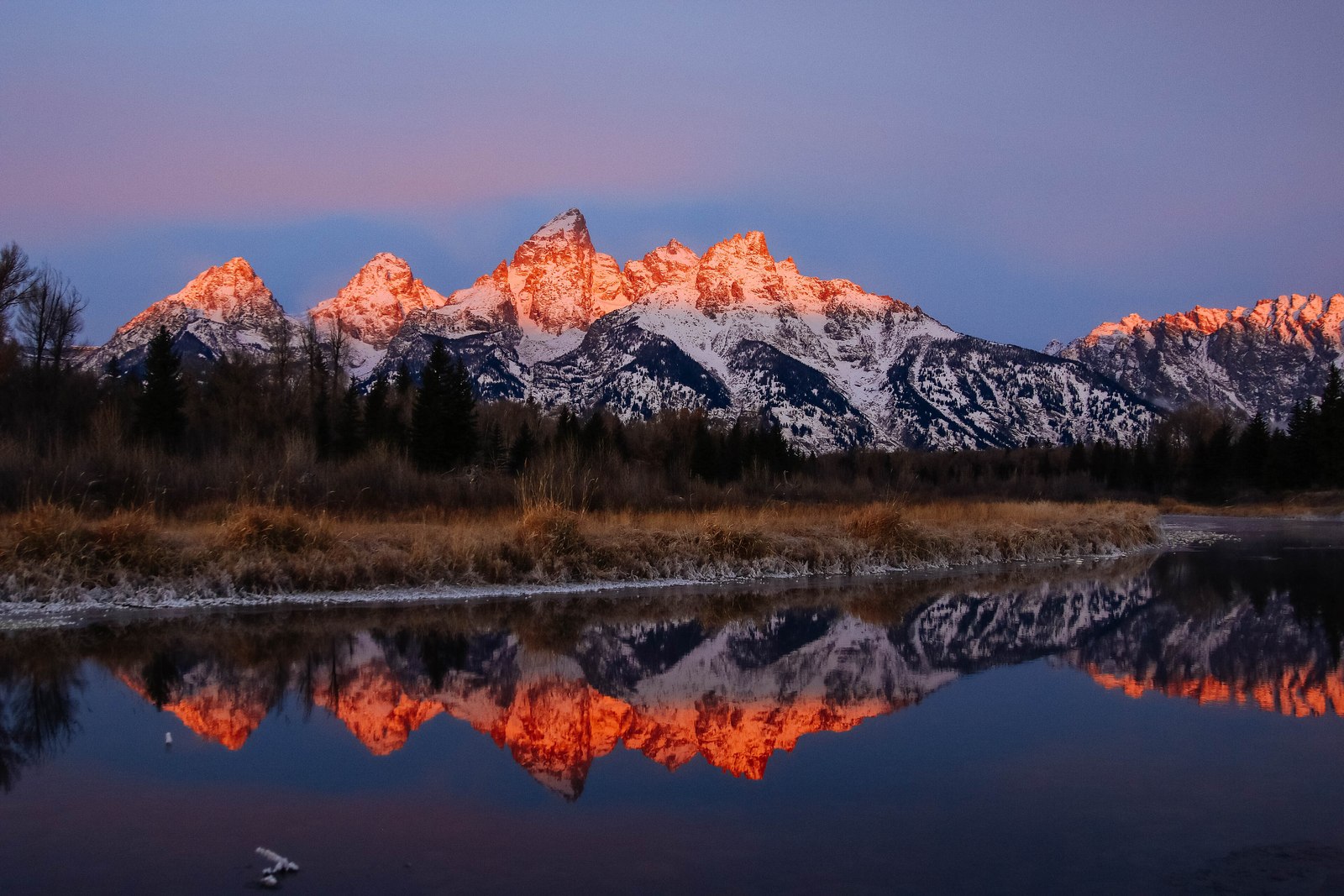
Grand Teton is the compact park people misjudge in the opposite direction from Yellowstone. The range front is so close to the road that a first visit turns into a series of windshield stops, each viewpoint rated and abandoned, while the actual park (the lakes, the canyon floors, the valley at the hours when animals move) goes unvisited. This route gives the park three full days in the order the light and the wildlife prefer: the water and the canyon first, the valley floor at dawn and dusk second, the south end last.
Three days is the right size for a first visit in the main season (late spring to early fall) at a moderate hiking pace: one day on the lakes and up a canyon, one day working the valley floor, one day on the south end trails and the historic district. This page is the Grand Teton entry in our national parks guides, and everything in it, the order, the timing, the warnings, comes from our own Grand Teton planner, with fees and windows verified against the park's official pages on October 15, 2026.
The route at a glance
The route, day by day
-
Day 1
Jenny Lake & Cascade Canyon
Shuttle boat or the south shore, Hidden Falls, Inspiration Point, up the canyon.
Base: South end
-
Day 2
The valley floor
Schwabacher Landing at sunrise, Mormon Row, Oxbow Bend, Colter Bay.
Base: Colter Bay / north end
-
Day 3
Taggart Lake & the south end
Taggart and Bradley Lakes loop, Moose, the Menors Ferry district.
Base: Onward
Before the days: the two decisions that shape the trip
Every bed in this park is a reservation, so book the bed first. All seven campgrounds, roughly 1,000 sites, are advance reservation only on recreation.gov, up to 6 months ahead; there is no first come safety net inside the park. Jenny Lake is tents only, capped at a 7 day stay, and the most contested ground in the park, so if it is the plan, book the day your date opens. In-park lodges split between the north end (Jackson Lake and Colter Bay) and the south end (Jenny Lake and Moose); pick by which end of the park your days lean toward, not by room photos. Jackson, 10 minutes from the south entrance, is the full service base at Jackson prices, and the park campgrounds are the value play, which is why the 6 month morning matters.
The gate is cheap; the pairing is the math. Entry is $35 per private vehicle for 7 days ($30 motorcycle, $20 per person on foot or by bike, under 16 free), and the park is cashless, so buy a pass in Jackson if cash is all you carry. The Grand Teton annual pass is $70. The wrinkle: Yellowstone and Grand Teton passes are separate, so a week split across both parks is two $35 passes, which is exactly where the $80 America the Beautiful pass (US residents; $250 for nonresidents) starts to turn. Non-US residents age 16 and over pay an extra $100 per person in 2026 unless they hold an annual pass. Run your own list through the pass break-even calculator before you buy anything.
Day 1: Jenny Lake and Cascade Canyon
RouteJenny Lake at first light, across on the shuttle boat or along the south shore to Hidden Falls and Inspiration Point, then up Cascade Canyon, and a late picnic at String Lake.
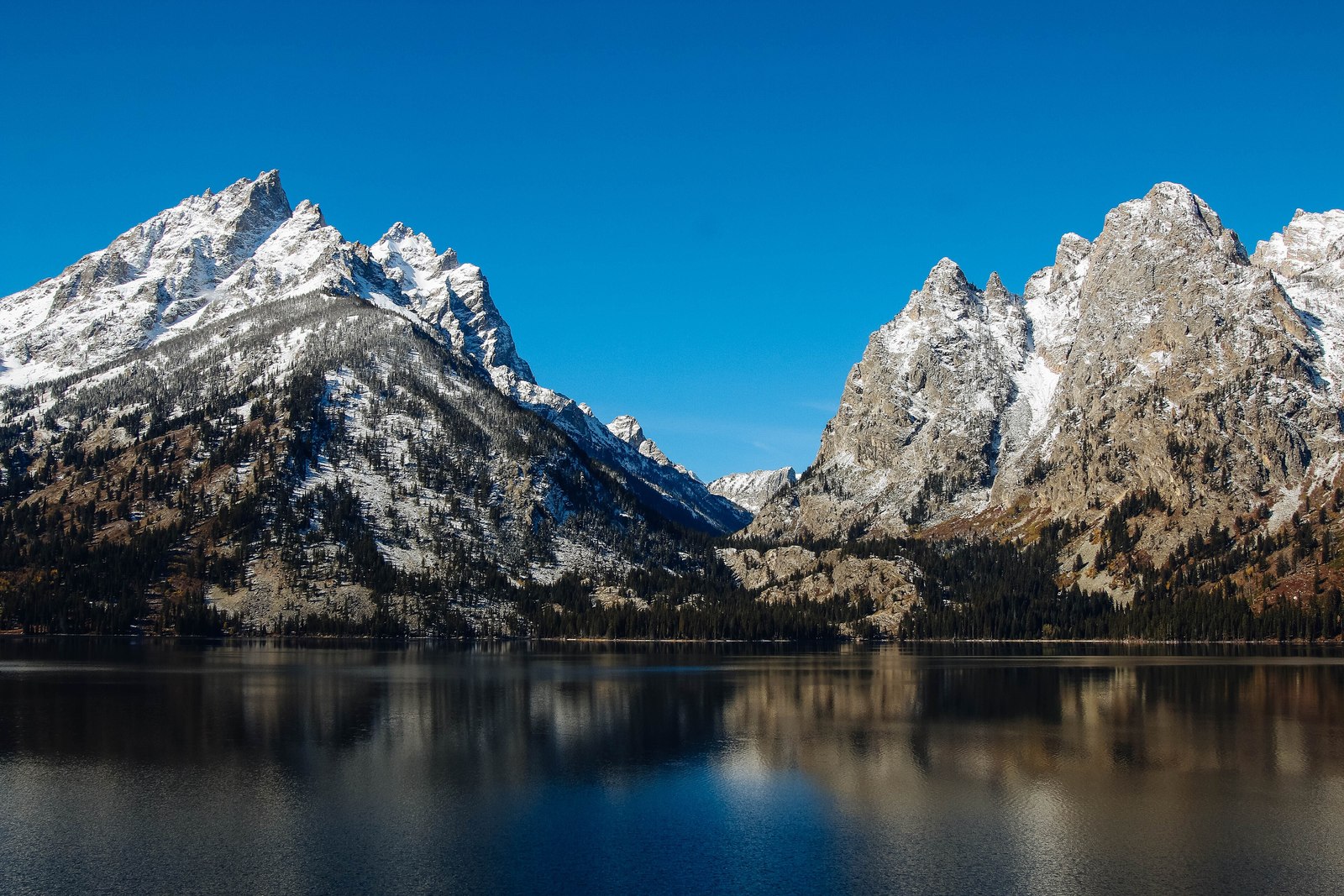
Jenny Lake in the morning, before the boats and the crowds. Photo: National Park Service, public domain.
Morning
Jenny Lake first thing, while the water is still and the shore trail is quiet. Take the shuttle boat across (it is seasonal, so confirm it is running) or walk the south shore trail to Hidden Falls and Inspiration Point. The boat is the shortcut, the trail is the warmup, and either way you start the trip inside the canyon country instead of looking at it.
Midday
Continue up Cascade Canyon as far as the group wants. The canyon floor is the payoff: moose in the willows, the peaks directly overhead, and a trail that lets you choose your own turnaround.
Afternoon and evening
Back down for a late picnic at String Lake, the warmest swimming water in the park, and an early night. This day needs no permit for day hiking. It needs an early start more than it needs anything you can buy.
Base: the south end tonight. Jenny Lake, Moose, and Jackson all serve tomorrow's sunrise, and staying south keeps the trip on one end of the park until the route moves north on purpose.
Day 2: The valley floor: Mormon Row and the Snake River
RouteSchwabacher Landing at sunrise, the Mormon Row barns mid morning, then north past the Snake River Overlook and Oxbow Bend to Colter Bay for the afternoon.
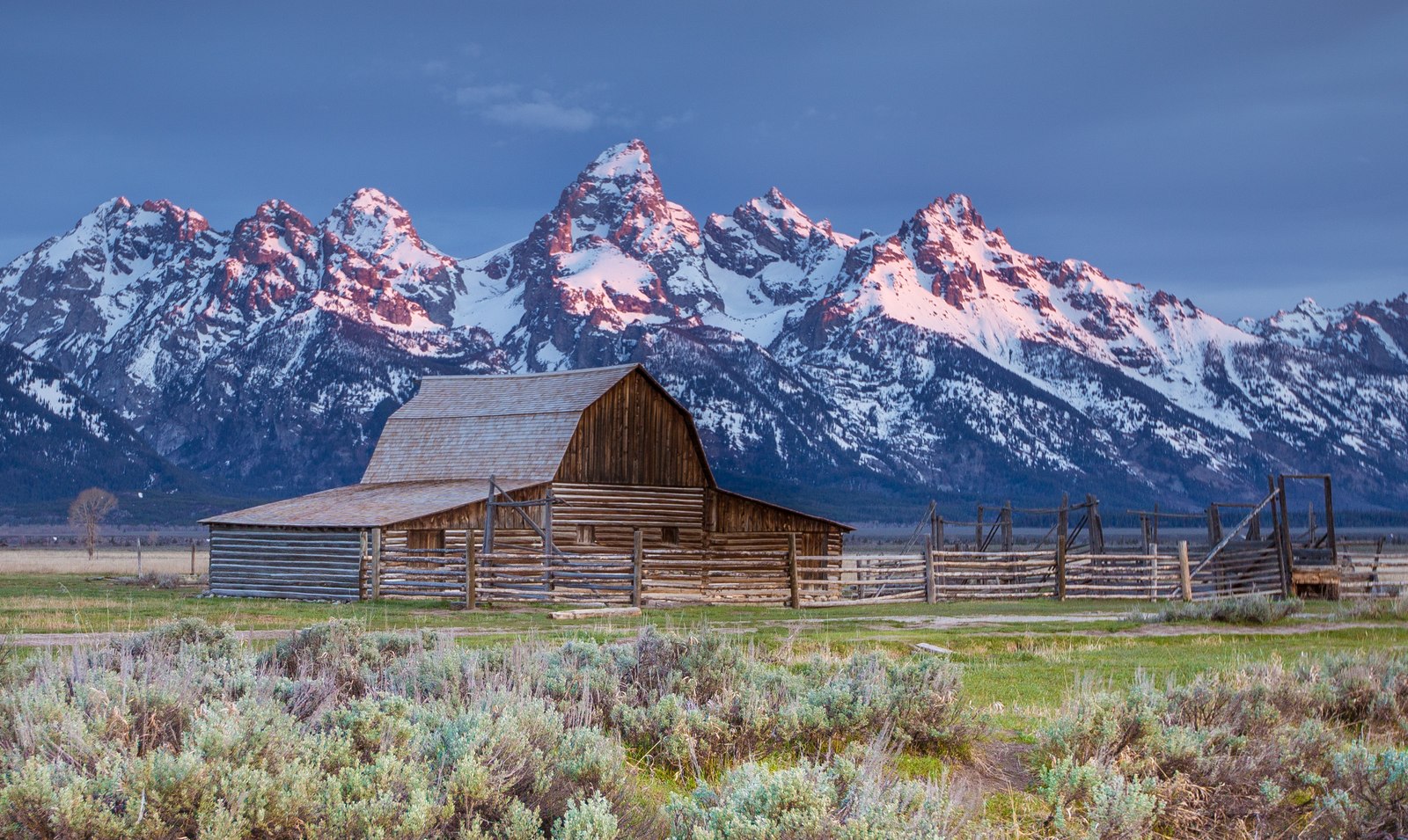
The Moulton barn on Mormon Row. Photo: National Park Service, public domain.
Morning
Schwabacher Landing at sunrise for the reflection shot, while the river is still glass. It is the park's postcard, and it is earned at dawn, not at noon.
Midday
The Mormon Row barns mid morning, then the drive north with the Snake River Overlook and Oxbow Bend as the stops. The valley floor is a corridor of viewpoints; these are the ones worth the parking.
Afternoon and evening
Colter Bay in the afternoon: the swim beach, the visitor center, and the lakeshore trail, then dinner at Colter Bay or Jackson Lake Lodge. Dawn and dusk on the valley floor beat midday every time. This day is built around that, not around mileage.
Base: the north end tonight if you are moving, Colter Bay or Jackson Lake. The day ends there anyway. If your beds are south, the drive back down the valley at dusk is its own wildlife pass, not a commute.
Day 3: Taggart Lake and the south end
Routethe Taggart and Bradley Lakes loop in the morning, the Moose visitor center and the Menors Ferry historic district midday, Moose Wilson Road if it is open, then Jackson or last light on the Cathedral Group.
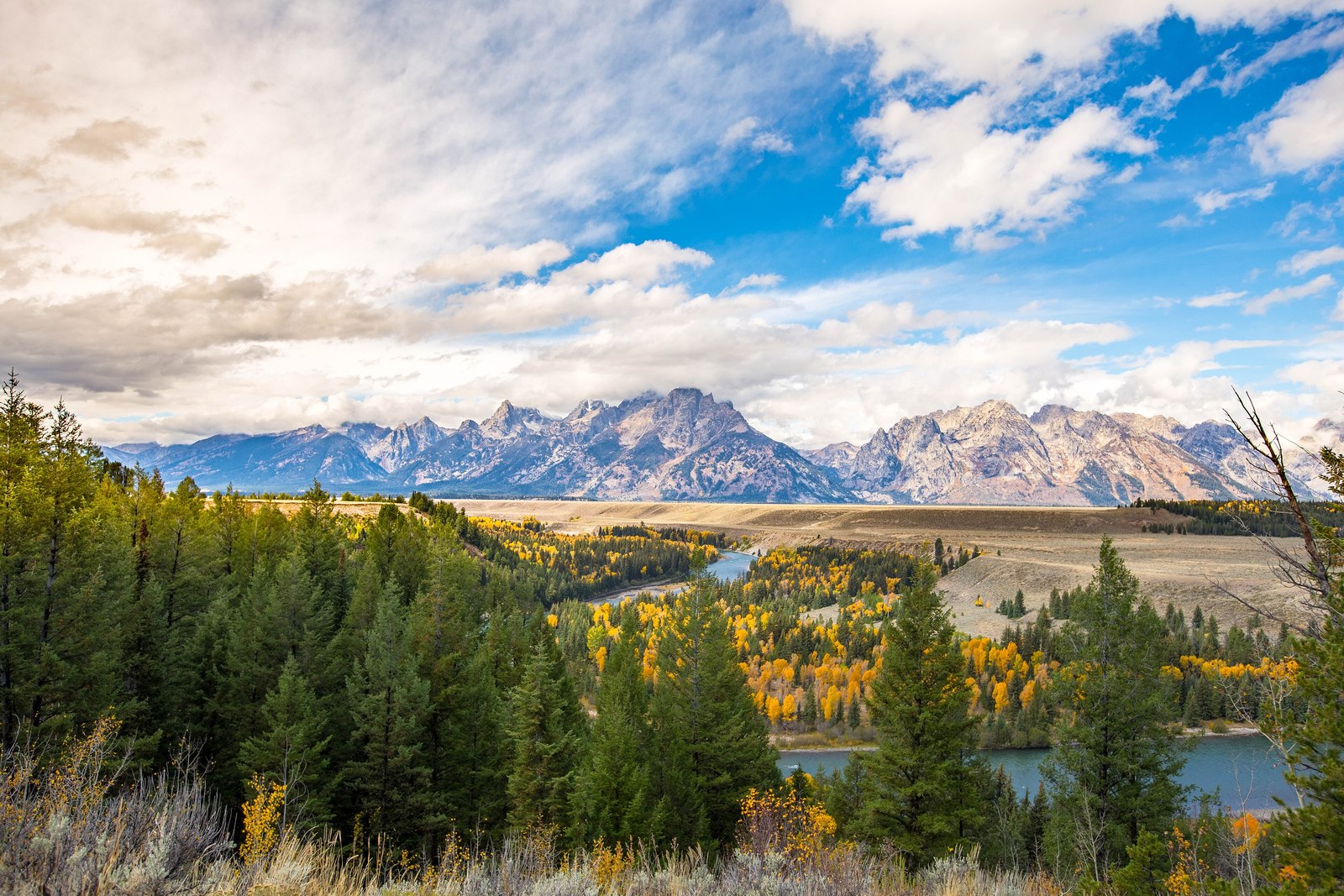
The Snake River Overlook in fall. Photo: National Park Service, public domain.
Morning
The Taggart and Bradley Lakes loop, an honest half day hike with the full range in front of you on the way back. It is the south end's answer to Cascade Canyon: less canyon, more open water and meadow.
Midday
The Moose area: the visitor center, the Menors Ferry historic district, and a slow drive up Moose Wilson Road if it is open. The road is narrow, slow, and closes in stretches for construction or wildlife, so treat it as a bonus, never as the schedule.
Afternoon and evening
Evening in Jackson for dinner, or back at camp for the last light on the Cathedral Group.
Base: onward. Heading north, the Rockefeller Parkway runs straight into Yellowstone's south entrance. The two parks share a border and pair naturally in one trip, which is where the two-pass math in the section above comes from.
Season notes, briefly
PeakOpenLimited / winter
Most campgrounds, lodges, and services are seasonal, roughly May to September or October depending on the property. A Teton trip in April or November is a different, thinner trip. Teton Park Road closes to cars in winter and becomes a non motorized trail, with exact closure dates set by conditions each year, so confirm for shoulder season trips.
Afternoon thunderstorms build over the range in summer, and the pattern that works is the one this route follows: big trail early, lake or valley floor in the afternoon. You are in bear country the whole three days. Food goes in bear boxes or hard sided vehicles, always, and carry bear spray on trails.
The full planner, in one place
This page is the route. The Grand Teton Trip Planner is the route plus everything around it: a workbook with the deadlines and windows as live countdowns from your trip date, the budget with the pass breakeven run on your numbers, an editable day planner, and a packing and prep checklist. It is our product, made by Summit and Spur, and this article is the honest sample of how it thinks.
Get the Grand Teton Trip Planner, $7.99
Rules verified October 15, 2026 against official park sources; 2027 rules were not yet final at that date. Confirm before booking. An independent planner from Summit and Spur, not affiliated with the National Park Service, and not a booking service. This guide is written from verified research and our planner's material; it is not a trip report.
New park planners and free tools, first.
One email when something new ships. No spam, unsubscribe anytime.